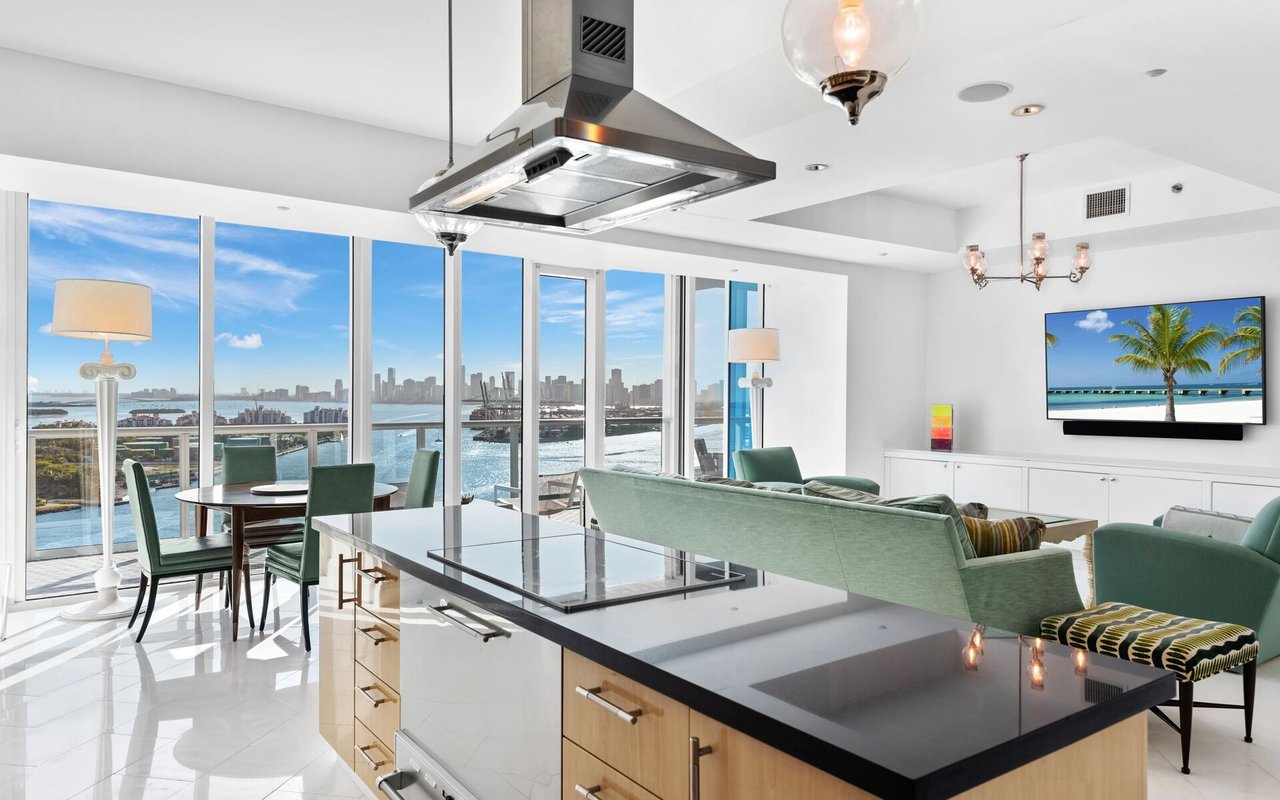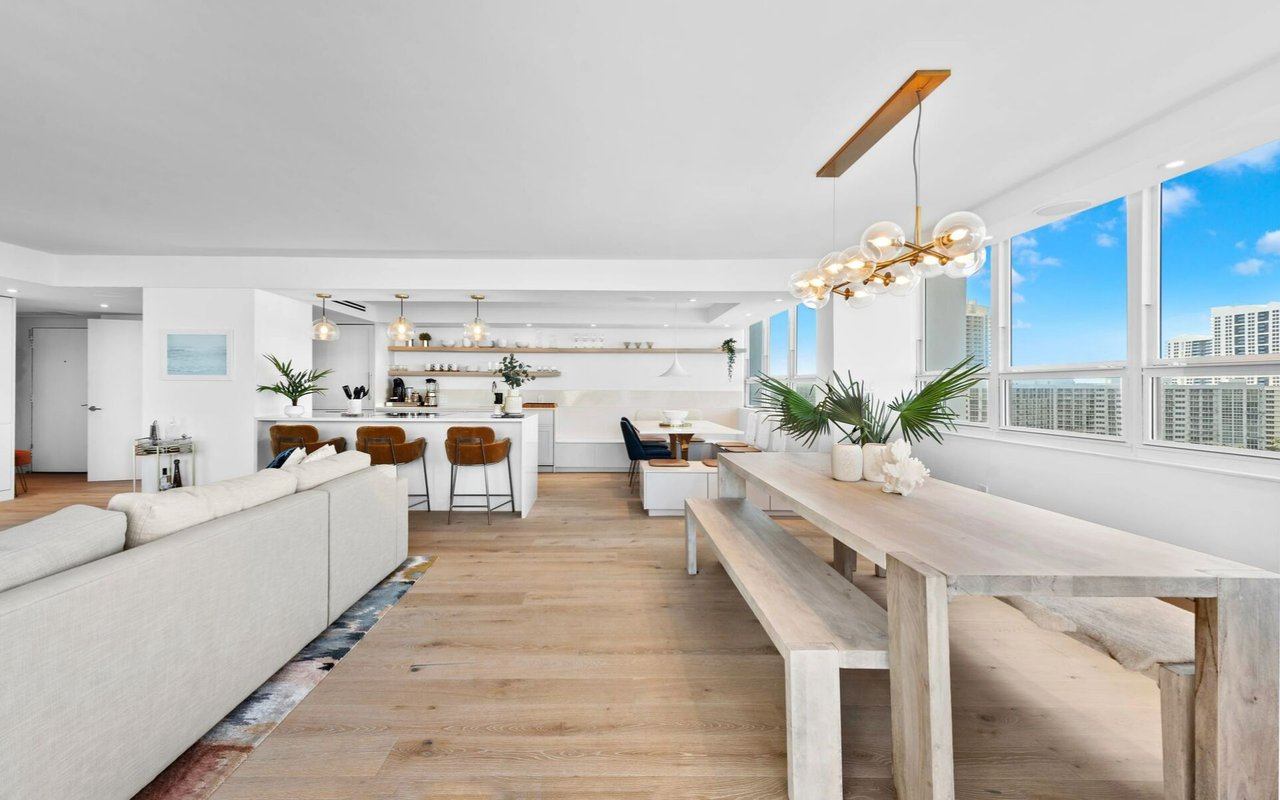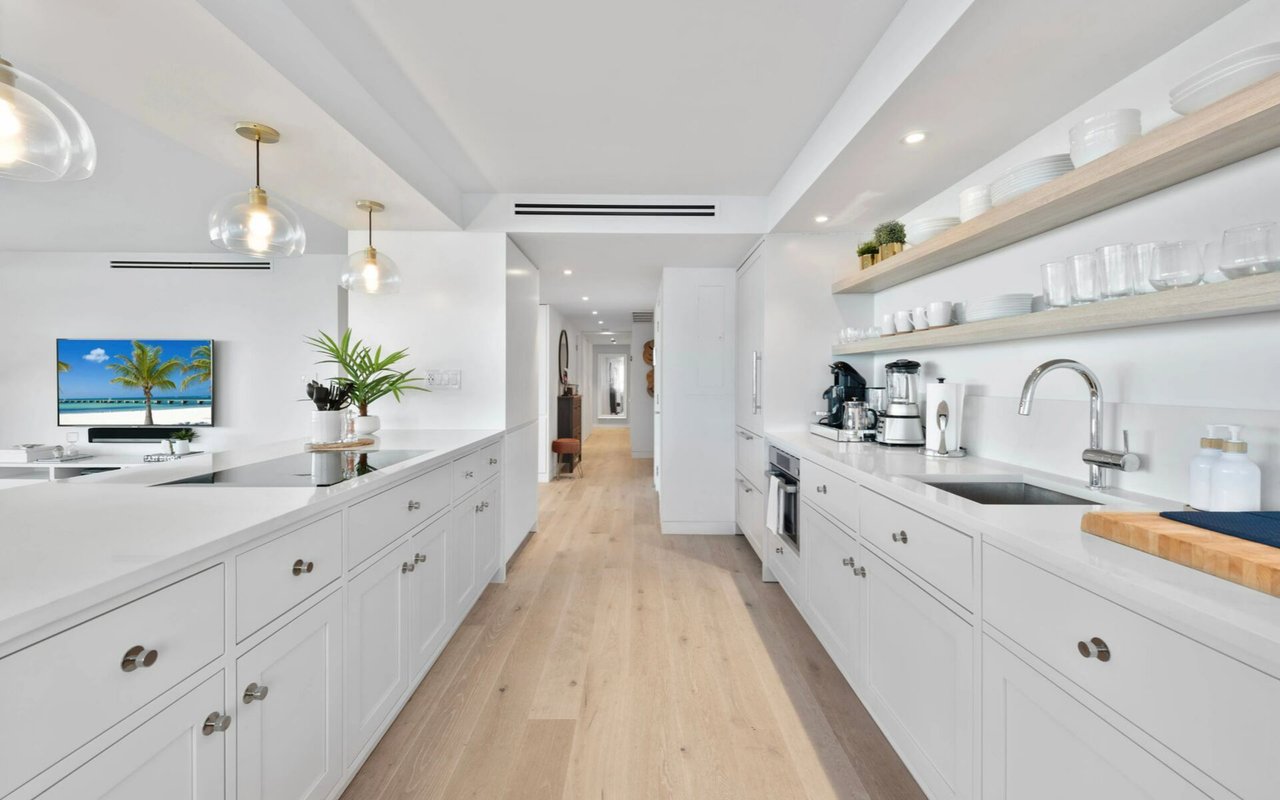
If Naples waterfront condo living is on your radar, you have probably already noticed one thing: this market covers a much wider range than many buyers expect. A condo on the water in Naples can mean Gulf-front beach access, a bayfront building with boating amenities, or a canal-front residence with marina connections, and each option comes with a different price point, ownership experience, and maintenance picture. This guide will help you understand how to compare these properties, what costs and documents deserve extra attention, and how to approach your search with more confidence. Let’s dive in.
Why Naples waterfront condos stand out
Waterfront condos sit at the higher end of the local condo market, but they do not behave like one single category. According to NABOR’s February 2026 report, Collier County condo closed sales reached 390, up 39.3% year over year, with a median closed price of $499,500 and inventory at 3,480.
That broader county median helps set context, but waterfront inventory in Naples usually trades far above it. Current Naples waterfront condo listings show a median list price around $1.57 million and about 142 days on market. The active price range also stretches from roughly $399,000 to $625,000 for some canal or bay-access options, while Gulf Shore and Park Shore examples often land between about $1.155 million and $2.75 million, with a recent sale in the same corridor at $5.15 million.
That spread tells you something important. In Naples, “waterfront condo” is not one price bracket. It is a ladder shaped by view, boating access, building age, updates, and the overall quality of the community.
Compare waterfront types first
Before you focus on finishes, square footage, or even monthly dues, it helps to sort properties by the kind of waterfront experience they offer. This one step can make your search much more efficient.
Gulf-front condos
Gulf-front or beachfront condos are often the lifestyle choice for buyers who want direct beach access and wide water views. These buildings may also feature amenities such as pools, spas, fitness centers, social rooms, garage parking, guest suites, and 24-hour security.
Demand in beachside areas has been strong. NABOR reported a 63% increase in February closed sales in the Naples Beach condo market, which reinforces how much buyer attention is concentrated along the beach and Gulf-side corridors.
Bayfront condos
Bayfront condos often appeal to buyers who want a balance of water views and boating access. Depending on the building, you may find private slips, marina connections, or direct Gulf access.
These properties can feel very different from beachfront buildings, even when both are technically waterfront. A bayfront condo may be more about boating convenience than beach access, so it is smart to match the building to the lifestyle you actually want.
Canal-front and marina-connected condos
Canal-front condos can offer a more approachable entry point into Naples waterfront ownership. Some current examples fall into a lower price range than prime Gulf-front inventory, especially when the emphasis is on canal frontage or bay access rather than direct beach frontage.
For boating-focused buyers, these properties can be especially attractive. The key is to understand whether the value is in the dock access, the route to open water, the no-bridge boating setup, or simply the water view itself.
What buyers are really paying for
In Naples, waterfront value is usually tied to a few specific features rather than water alone. Two condos can have the same bedroom count and square footage, yet differ sharply in price because the building offers a different type of access, a stronger amenity package, or a more protected view.
Some of the most common features buyers compare include:
- Direct Gulf access
- Private boat slips
- No-bridge boating
- Private beach access
- Pools and spas
- Fitness centers
- Social rooms
- Garage parking
- Guest suites
- 24-hour security
It is also worth asking whether the view is likely to remain protected. A view over the Gulf, bay, canal, marina, or landscaped grounds can shape daily enjoyment and long-term value, so you want to understand exactly what you are buying.
Ask the right boating and dock questions
If you are considering a boating-oriented waterfront condo, the dock details matter just as much as the residence itself. This is one of the biggest areas where buyers can make assumptions that later become surprises.
You should confirm whether a boat slip is deeded, assigned, or subject to a waitlist. Those are very different ownership arrangements, and they can affect both convenience and value.
You should also ask whether dock and seawall maintenance is handled by the association. In a waterfront setting, those responsibilities can have a meaningful effect on future budgets and upkeep.
Understand maintenance in a coastal building
Naples waterfront living offers a beautiful setting, but coastal ownership comes with a more demanding maintenance environment. Florida’s coastal conditions mean more exposure to moisture, salt, rain, and storm impacts than many inland condo owners face.
In practical terms, that means buyers should expect more attention to items like:
- Corrosion-prone hardware
- Windows and exterior doors
- Exterior painting
- Waterproofing
- Balcony systems
- HVAC-related components
These are not minor details. In a waterfront condo, building condition and long-term maintenance planning are central parts of the ownership experience.
Why reserves and inspections matter
Florida’s condo rules now place major emphasis on structural integrity reserve planning, and that matters directly for waterfront buyers. The law focuses on large-ticket items such as the roof, structure, fireproofing, plumbing, electrical systems, waterproofing and exterior painting, windows and exterior doors, plus other deferred-maintenance items over $10,000 that can affect those systems.
For you as a buyer, that means reserve quality is not just accounting paperwork. It is one of the clearest ways to understand how a building is preparing for real-world repairs and future capital needs.
In Naples and Collier County, milestone inspection timing is also especially relevant for coastal condos. Condominiums and co-ops with three or more habitable stories within three miles of the coastline must complete their first milestone inspection at 25 years, then every 10 years after that. Inland buildings generally follow a 30-year schedule, then every 10 years thereafter.
That makes building age an important screening tool. If you are comparing older waterfront options, ask early about the most recent milestone inspection summary and where the building stands in that cycle.
Budget beyond the list price
The purchase price is only part of the financial picture for a Naples waterfront condo. A smart budget should also account for HOA dues, reserves, insurance costs, and the possibility of special assessments, especially in older or heavily maintained buildings.
Insurance deserves close review. The Florida CFO states that condo unit owners need an HO-6 policy, which mainly covers personal property and liability and includes loss-assessment coverage. The same guidance also notes that homeowners insurance does not cover flood damage.
At the association level, buyers should verify what the condo association insures, what deductible structure applies, and whether interior finishes, contents, or assessments would require separate protection. This is one area where clear answers upfront can help you avoid expensive gaps later.
Review condo documents before you commit
Florida law gives resale buyers access to a wide set of condo documents, and those records are essential in a waterfront purchase. Buyers are entitled to receive items including the declaration, articles, bylaws and rules, annual financial statement and budget, FAQ document, any applicable milestone summary, the most recent structural integrity reserve study, or a statement that none exists, plus a turnover inspection report if applicable.
For contracts entered after the 2024 changes, the law also requires specific disclosure language related to milestone inspections and structural integrity reserve study status. A buyer’s right to void can depend on whether the required documents were delivered, which makes careful document review especially important.
For larger associations, DBPR also requires a broad set of association records to be posted online by January 1, 2026. That includes governing documents, board minutes, budgets, financial reports, bids and contracts, inspection reports, and the latest reserve study. For out-of-area buyers, that can make it easier to screen buildings before traveling for showings.
Your waterfront condo checklist
When you narrow down a building, ask for these items as early as possible:
- Most recent milestone inspection summary
- Most recent structural integrity reserve study
- Current budget and reserve schedule
- Insurance declarations
- Board minutes
- Any pending special assessment information
- Slip, dock, or marina documents
- Rules related to rentals and pets
As you review the paperwork, look for repeated repair issues, pressure from rising insurance costs, and any signs that major waterfront components may need work. The goal is not just to find a beautiful condo. It is to understand how the building is being operated and maintained over time.
How to shop smarter in Naples
A good Naples waterfront condo search starts with lifestyle clarity. Decide first whether your priority is beach access, boating access, or a lower-maintenance waterfront setting at a different price point.
From there, compare buildings by four practical filters:
- Waterfront type: Gulf-front, bayfront, or canal-front
- Access details: Beach entry, marina access, direct Gulf route, or no-bridge boating
- Building readiness: Age, inspection status, reserves, and maintenance planning
- Ownership costs: HOA dues, insurance needs, and assessment exposure
That approach helps you compare options in a way that reflects how waterfront condos really function in Naples. It also helps you move beyond surface-level features and focus on the parts of ownership that shape your daily experience and long-term costs.
If you want a polished, low-friction buying experience, especially from out of town or out of state, it helps to work with a team that understands how to evaluate condo lifestyle, documents, and transaction details together. When you are ready to explore Naples waterfront opportunities with a concierge-style approach, connect with ARRIVAL Team.
FAQs
What is the typical price range for Naples waterfront condos?
- Naples waterfront condos vary widely by location and access. Current examples range from roughly $399,000 to $625,000 for some canal or bay-access options, while Gulf Shore and Park Shore examples often range from about $1.155 million to $2.75 million, with higher recent sales also recorded.
What makes one Naples waterfront condo more expensive than another?
- Price differences often come down to waterfront type, view, beach or boating access, building age, amenity package, and whether features like slips or direct Gulf access are included.
What documents should you review before buying a Naples waterfront condo?
- You should request the governing documents, budget, financial statements, FAQ document, milestone inspection summary if applicable, the most recent structural integrity reserve study or statement that none exists, insurance information, board minutes, and any dock or slip documents.
What inspections matter for older coastal condos in Naples?
- In Naples and Collier County, condos and co-ops with three or more habitable stories within three miles of the coastline generally follow a 25-year first milestone inspection schedule, then every 10 years after that.
What insurance should a Naples condo buyer ask about?
- You should ask what the association’s policy covers, what deductibles apply, and whether you need separate protection for personal property, liability, interior finishes, flood-related exposure, and loss assessments through an HO-6 policy.
What should boaters verify in a Naples waterfront condo building?
- You should confirm whether slips are deeded, assigned, or wait-listed, and whether dock and seawall maintenance is the association’s responsibility.